
How to Help an Elderly Parent Who Is Hoarding: Safety First Before Cleanup (Virginia Guide)
How to Help an Elderly Parent Who Is Hoarding: Safety First Before Cleanup (Virginia Guide)
Quick Answer
If your elderly parent is hoarding, don't start by renting a dumpster or throwing things away. Start by assessing safety. Walk through the home and observe. Is there a fall hazard? A fire risk? Evidence of mold, rodents, or water damage? Is the kitchen still functional? The answers to those questions will tell you how urgently you need to act. Once safety has been assessed, you can begin developing a plan that respects your parent's dignity while addressing the realities of the situation.
Why Helping an Elderly Parent Who Is Hoarding Is So Difficult
One of the biggest mistakes I see families make is focusing entirely on the stuff.
The clutter is what everyone notices, but the belongings themselves are often not the real problem. In many cases, the hoarding behavior has developed over years or even decades. The items in the home may be tied to memories, grief, loss, anxiety, changing health, reduced mobility, or a fear of losing independence.
Adult children often know there is a problem, but they wait too long to address it. Not because they don't care, but because they feel overwhelmed. They are raising families, managing careers, caring for their own health issues, and hoping the situation will somehow improve on its own.
Unfortunately, hoarding situations rarely resolve themselves. In my experience, the longer families wait, the more difficult and expensive the situation becomes.
Start With Safety, Not Cleanup
When someone calls me and says, 'My elderly parent is hoarding and I don't know where to start,' my advice is always the same:
Don't touch a single thing yet.
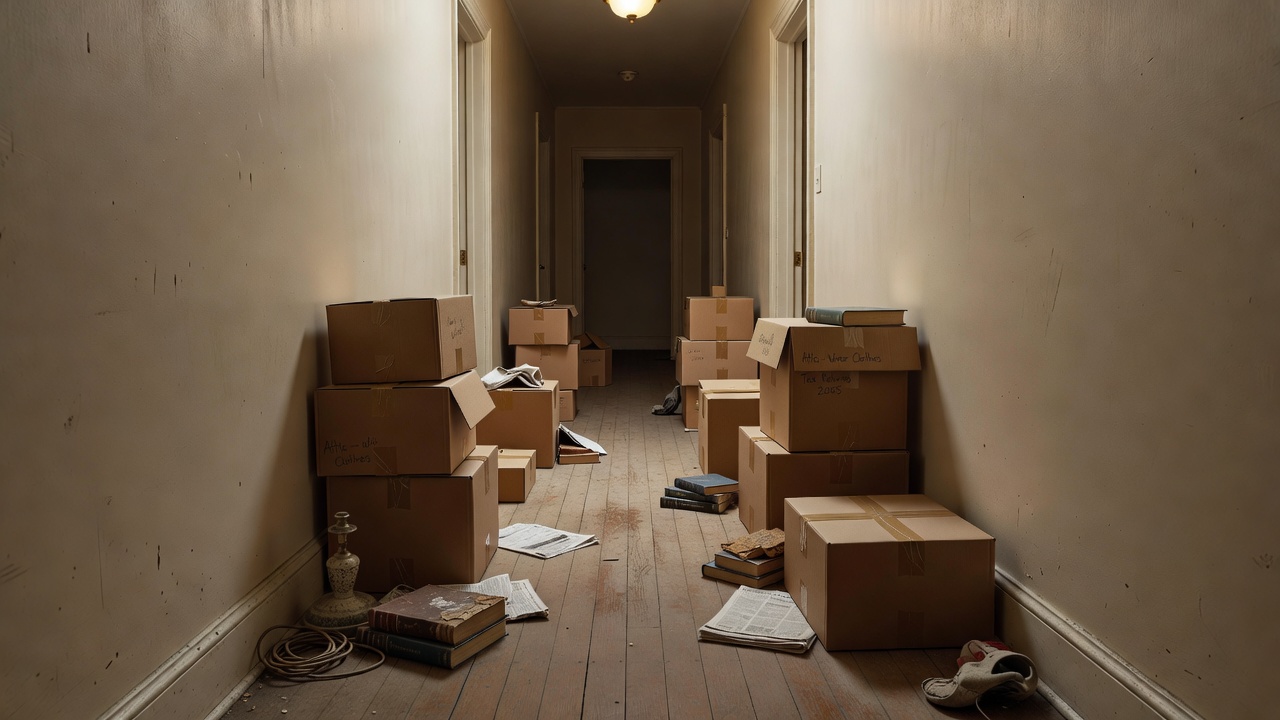
Walk through the home and simply observe.
Ask yourself:
- Is there a clear path through the house?
- Is there a risk of falls?
- Are exits blocked?
- Are there fire hazards?
- Is there evidence of mold?
- Are there signs of rodents or pests?
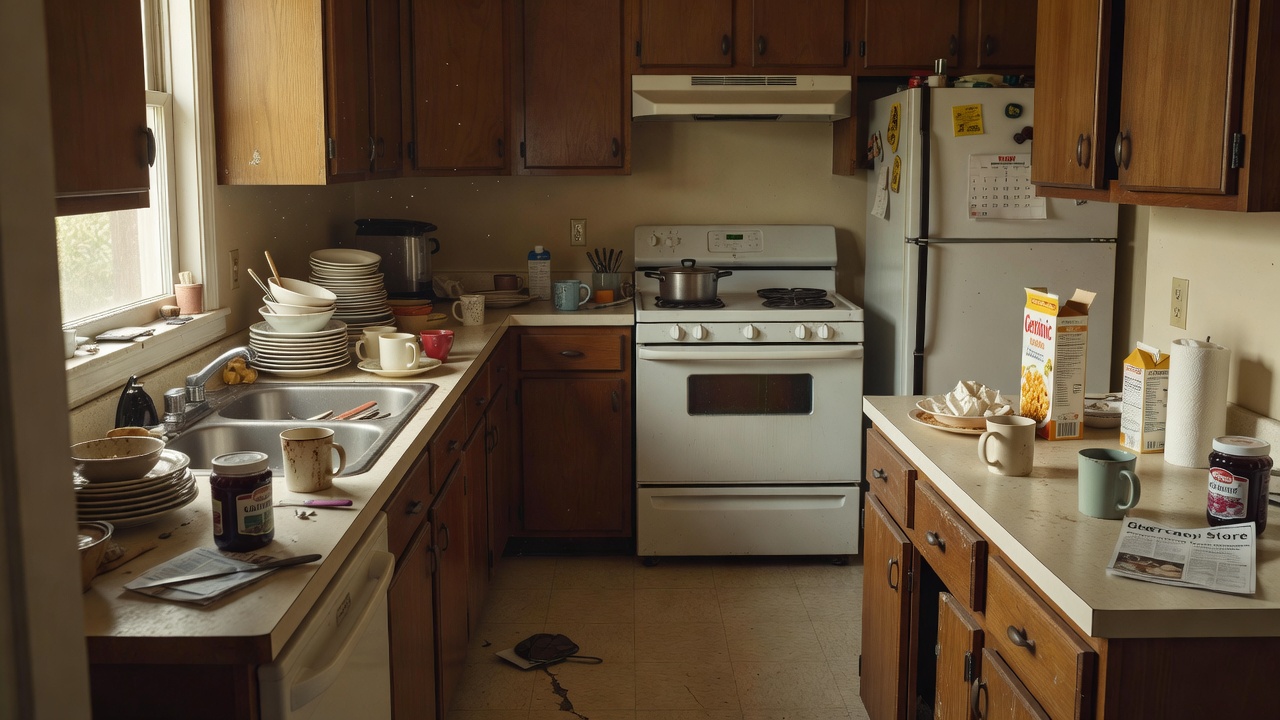
- Is the kitchen functional?
- Are bathrooms accessible and usable?
- Has deferred maintenance created additional problems?
That assessment tells you whether you have days, weeks, or months to work through the situation, or whether immediate action is necessary.
Everything else comes after that question is answered.
The Hidden Risks of Waiting Too Long
Many families assume the biggest issue is the clutter itself. In reality, some of the most serious problems are hidden behind the clutter.
Fire Hazards
Stacks of paper, boxes, clothing, and other combustible materials can dramatically increase fire risk. When exits become blocked, evacuation becomes more difficult as well.
Mold Growth
I've seen situations where minor leaks went unnoticed for years because clutter prevented anyone from identifying the problem. By the time the issue was discovered, mold had spread throughout portions of the home.
Rodent Infestations
Clutter creates hiding places for rodents and other pests. Once infestations become established, cleanup becomes far more complicated and expensive.
Deferred Maintenance
One of the most common issues I encounter is missed home maintenance. A small roof leak, plumbing issue, or damaged appliance can go unnoticed for years when access is limited. What could have been a simple repair often turns into a major remediation project.
A Real-Life Lesson From a Family Downsizing Situation
One situation that stands out involved an elderly couple who needed to sell their home and move into a smaller living situation.
The family understood the challenge. The parents were aging, mobility was becoming more difficult, and maintaining the home was no longer practical. Selling the property would allow them to avoid carrying multiple housing expenses and provide funds for their next chapter.
The father had a strong personality and liked to remain in control of decisions. As you might expect, that created some tension throughout the process.
What ultimately made progress possible was not forcing them to get rid of everything.
Instead, the family focused first on identifying the items that truly mattered.
Financial records, family photographs, personal keepsakes, and important possessions were carefully sorted and preserved. Items that were still in good condition and not affected by mold or water damage were packed out.
Did the father suddenly become easy to work with?
No.
He continued to want significant control over the process.
But he also understood that the move had to happen.
That experience reinforced an important lesson: success doesn't always mean everyone agrees. Sometimes success means helping an elderly parent navigate a necessary transition while preserving as much dignity, choice, and control as possible.
What Not to Do
Families often make the situation harder by acting too quickly.
Avoid these common mistakes:
- Renting a dumpster before having a plan
- Throwing items away without permission
- Arguing about the value of possessions
- Using shame or criticism
- Treating the situation as a cleaning project instead of a life transition
- Expecting years of accumulation to be resolved in a weekend
These approaches often increase resistance and make future progress more difficult.
Focus on the Goal
One of the most effective ways to help an elderly parent who is hoarding is to focus on the reason change is necessary.
That reason might be:
- Improving safety
- Remaining in the home longer
- Preparing for medical care
- Downsizing
- Selling a property
- Moving closer to family
- Reducing maintenance responsibilities
When the conversation focuses solely on getting rid of things, people often become defensive.
When the conversation focuses on achieving an important life goal, cooperation becomes more likely.
When Professional Help Makes Sense
There comes a point when many families need outside assistance.
Professional help may be appropriate when:
- Safety hazards are present
- Mold or rodents are involved
- The volume of belongings is overwhelming
- Family relationships are becoming strained
- A move or home sale is approaching
- Physical limitations prevent family members from handling the work themselves.
At Cleanup Compassion (Hoarding Cleanup Virginia), we specialize in these transitions. Our elderly hoarding cleanup services are designed with dignity in mind. We also have guides on how to approach the conversation with compassion if you're not sure how to start.
Final Thoughts
Helping an elderly parent who is hoarding is rarely about the possessions themselves.
In my experience, the families who make the most progress are the ones who stop focusing exclusively on the clutter and start focusing on safety, quality of life, and the future.
Before you move a single item, assess the risks.
Determine whether there is an immediate safety concern.
Then create a plan that respects your parent's dignity while addressing the realities of the situation.
The goal isn't to win an argument about possessions. The goal is to help your loved one live more safely and successfully during the next stage of their life.
If you're reading this because you're worried about a parent, the next step is getting a clear picture of what you're dealing with. We offer free, no-pressure consultations where we can talk through the situation and help you figure out whether professional help makes sense right now — with no obligation. Call us at 540-538-7092 or use the form on this page to request a consultation.