
How to Help an Elderly Parent Who Is Hoarding: Safety Guide, Conversation Tips & Virginia Cleanup Help
How to Help an Elderly Parent Who Is Hoarding: A Complete Guide for Virginia Families
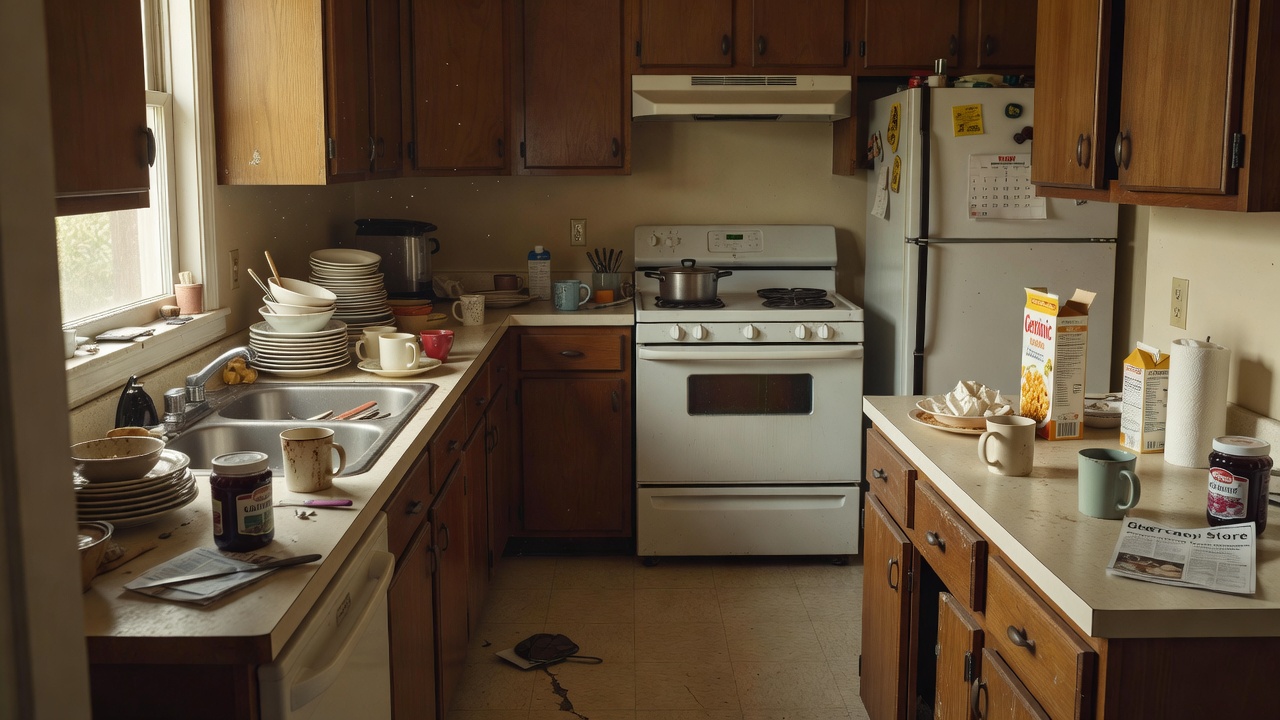
Picture this: You step into your elderly parent's Virginia home, once tidy and welcoming, now a maze of towering stacks—newspapers from decades ago, plastic bags bulging with who-knows-what, furniture buried under layers of "just in case" items. Your chest tightens. Is this safe? How do you even start the conversation without sparking defensiveness or hurt? If you're an adult child grappling with parent hoarding safety, you're not alone. Thousands of Virginia families face this heartbreaking reality, where love collides with clutter.
The good news? You can help—with empathy, strategy, and a safety-first mindset. This complete guide merges compassionate hoarding conversation guide tips with proven parent hoarding safety assessments, tailored for Virginia seniors. We'll cover emotional roots, how to talk without triggering resistance, spotting danger zones, and when to call in specialized cleaning Virginia pros for senior hoarding cleanup. Zero judgment. Total discretion. Let's reclaim their home—and your peace of mind.
Understanding the Emotional Complexity of Elderly Hoarding
Hoarding isn't laziness or stubbornness; it's often a deeply emotional response. For many seniors, possessions serve as anchors to cherished memories, a buffer against loneliness, or a way to manage grief after losing a spouse, health, or independence. That faded photo album? It's not junk—it's a lifeline to grandkids who rarely visit. The stacks of canned goods? Security in an uncertain world.
Helping feels difficult because it pits your concern against their identity. Pushing too hard risks alienation; ignoring it endangers lives. The key? Focus on the person, not the mess. Approach with curiosity: "What does this mean to you?" rather than "This has to go." In Virginia, where family ties run deep, this person-centered empathy builds trust for lasting change.
How to Have the Conversation: Your Step-by-Step Hoarding Conversation Guide
Preparation: Assess Safety and Severity First
Before words, observe quietly. Note blocked paths, odors, or pest signs. Rate severity on a 1-5 scale (1: mild clutter; 5: impassable rooms). This grounds you in facts, not frustration, for elderly hoarding help Virginia.
The Compassionate Step-by-Step Approach
- Lead with safety and health: "Mom, I'm worried the stove being blocked could cause an accident. Can we make sure it's clear?" Frame it as care, not criticism.
- Use neutral language: Swap "trash" for "items." Say "Let's create space for you to move safely" instead of "We need to clean this up."
- Listen more than you speak: Let them share stories behind objects. Validate feelings: "I see why that's special."
- Offer choices: "Would you like to keep this here or sort it together?" Empowerment reduces resistance.
Navigating Roadblocks
Anger flares? Pause. "I love you; let's revisit later." Forced cleanouts often backfire, causing trauma and re-hoarding. Patience wins—many Virginia families find progress unfolds over weeks, not days.
The Safety-First Walkthrough: Spotting Parent Hoarding Safety Risks
Safety trumps sentiment. Conduct a gentle walkthrough, flashlight in hand, checking these five danger zones in every home.
The Five Danger Zones
- Exits: Doors must open fully without shoving piles.
- Electrical: Cords buried? Overloaded outlets spark fires.
- Kitchen: Fridge/freezer overflows breed bacteria; stovetops invite tragedy.
- Hallways: Narrow paths spell fall risks.
- Bedrooms/Bathrooms: Beds accessible? Toilets usable?
The 36-Inch Rule: Primary paths need at least 36 inches wide for safe wheelchair or walker passage—and firefighter access.

Hidden Risks Lurking Beneath
Beyond the obvious: Fire hazards from piled flammables, mold in damp stacks, rodent infestations chewing wires, and deferred maintenance like leaking roofs. In humid Virginia, these escalate fast.
Building a Plan: When to Call for Senior Hoarding Cleanup in Virginia
Family-led efforts shine for mild cases, but moderate-to-severe hoarding demands pros. Specialized teams act as neutral third parties, preserving relationships while delivering results. With zero judgment and total discretion—think unmarked vehicles pulling up—we handle the heavy lifting so you don't have to.
Next steps: Document photos (with permission), consult their doctor for underlying issues like dementia, and explore local Virginia resources like adult protective services. Then, partner with specialized cleaning Virginia experts trained in compassionate senior hoarding cleanup.
Reclaim your home—and their dignity—one safe step at a time.
If you're reading this because you're worried about a parent, the next step is getting a clear picture of what you're dealing with. We offer free, no-pressure consultations where we can talk through the situation and help you figure out whether professional help makes sense right now — with no obligation. Call us at 540-538-7092 or use the form on this page to request a consultation.